The Kiriji War: A Tale of Courage and Unity in Yorubaland
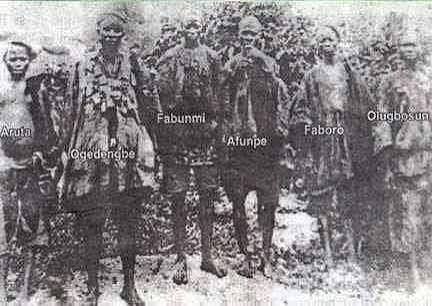 Once upon a time, in the heart of Yorubaland, there was a powerful city called Ibadan. It was strong, wealthy, and feared by its neighbors. Towns around it Ekiti, Ijesa, and others lived under Ibadan’s control, paying heavy taxes and obeying orders they did not like. Life was hard, and the people whispered among themselves about freedom.
The story of the Kiriji War begins in the 1870s, when the cries for independence grew louder. The people of Ekiti and Ijesa decided they could no longer endure Ibadan’s rule. They reached out to each other, forming an alliance called Ekitiparapo, which meant “Ekiti united together.” This was more than an army; it was a pact of hope and courage.
The war got its unusual name from the sound of the new firearms that thundered across the battlefields. Locals called it “Kiriji”, because the shots sounded like rolling thunder. Imagine villages trembling with every boom, yet the people kept fighting for what they believed in freedom.
The Kiriji War lasted 16 long years. It wasn’t just soldiers who fought; ordinary people endured hunger, fear, and the constant worry of raids. Farms were abandoned, homes were destroyed, and trade routes became dangerous paths. But the people never gave up. The alliance of Ekiti, Ijesa, and other towns grew stronger as they realized that together, they could stand against even the mighty Ibadan.
As the war raged on, news of the conflict reached the British, who were trading along the coast. The fighting disrupted trade, and they decided to step in. In 1893, a treaty was signed, bringing the war to an official end. Though the battles had ceased, the Kiriji War had changed everything: Ibadan’s dominance ended, many towns regained independence, and British influence began to grow.
The story of Kiriji is not just about battles and treaties it is about courage, unity, and the struggle for justice. It is a reminder that even in the darkest times, people can come together to fight for freedom and leave a legacy for generations to come.
And so, the people of Yorubaland remembered Kiriji, not just as a war, but as a tale of hope that echoed through the hills, rivers, and towns of their homeland.

Comments
Post a Comment